


Design Lab – A Living, Breathing Ecosystem of Design
Where ideas take shape
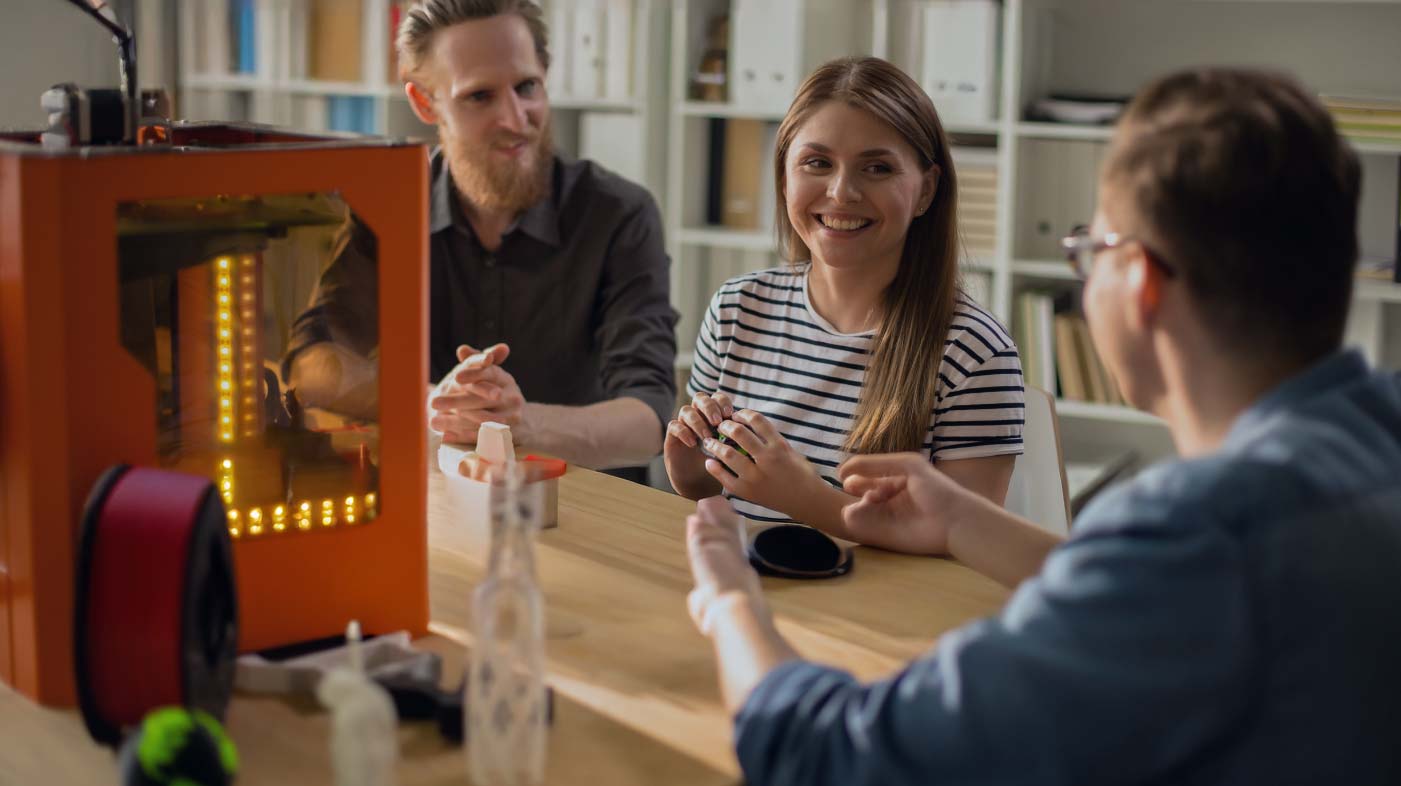
The Design Lab is an integral part of the School of Design, Art, & Performance, FLAME University, and it functions as a university-wide platform for cultivating a culture of making, experimentation, and applied learning. It encourages students and faculty to engage directly with materials, tools, and processes as a core part of inquiry and problem-solving. The Lab enables the structured transformation of ideas into tangible outcomes, supporting the journey from early conceptual thinking to functional prototypes.
Through access to modern fabrication infrastructure and interdisciplinary collaboration, it strengthens the university’s capacity to demonstrate ideas through development and execution.
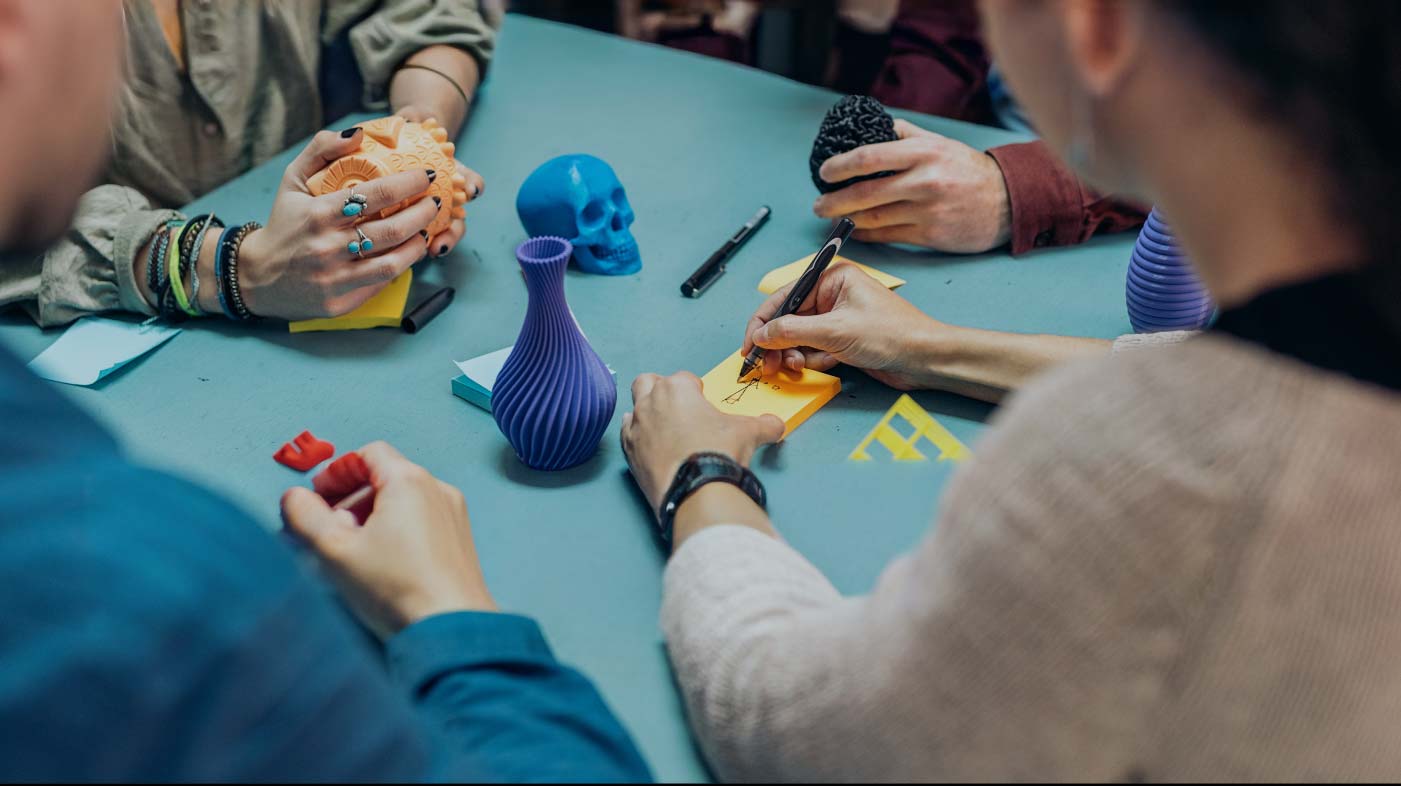
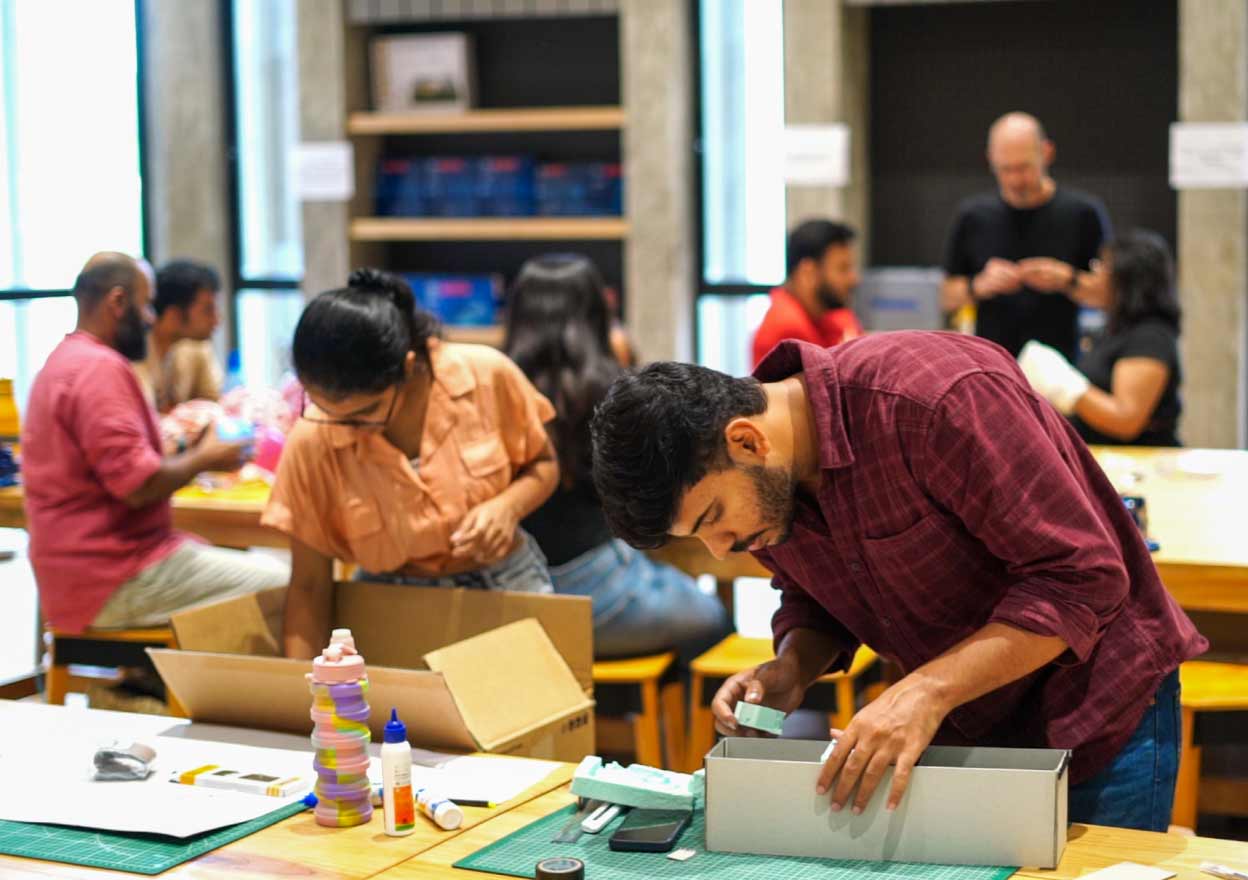
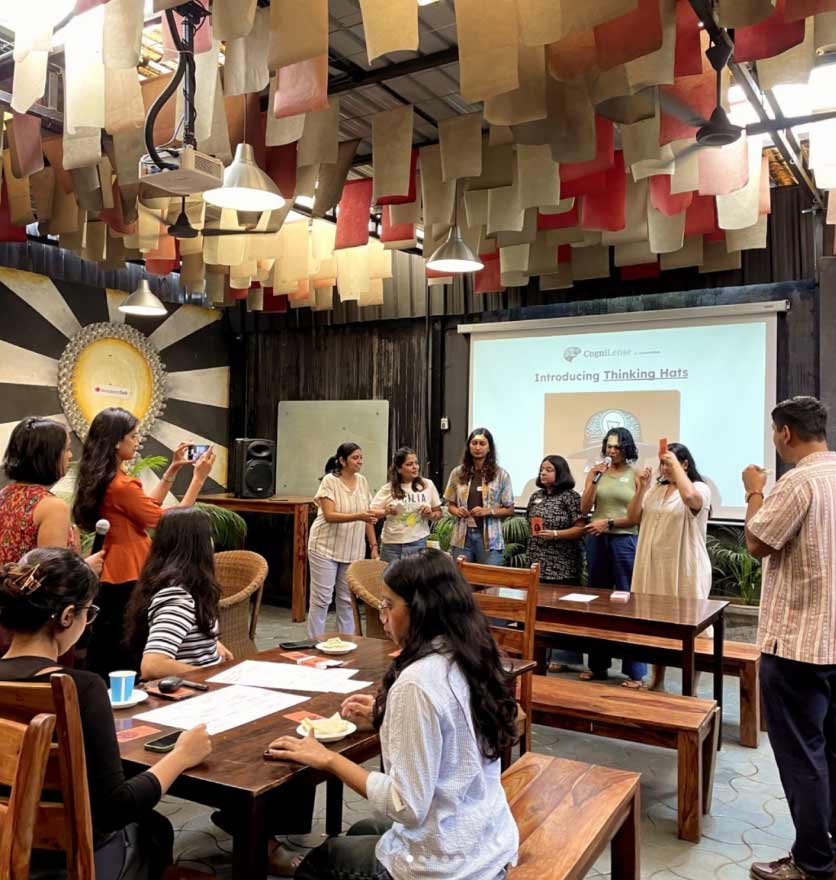
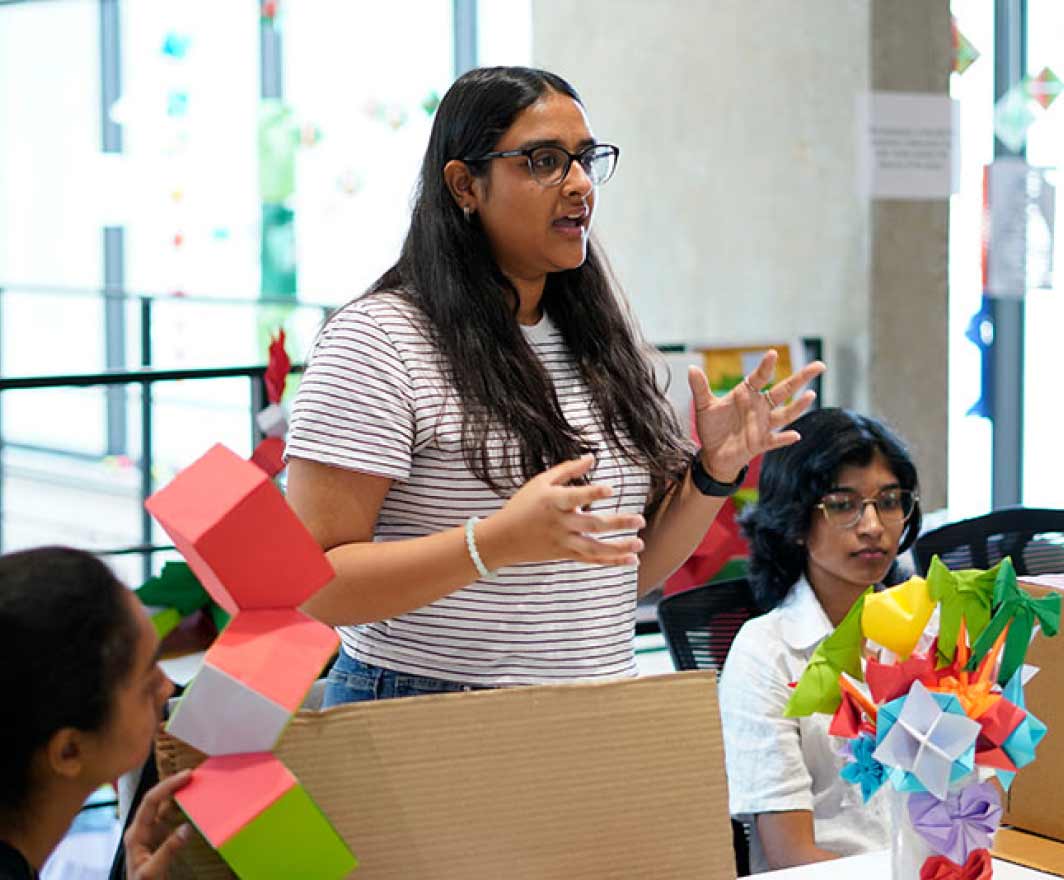
Beyond coursework, the Lab hosts hackathons, innovation events, global immersion initiatives such as the CIID Pop-Up School, and outreach programs with school students, extending learning beyond the classroom and into broader academic and community contexts.
Outcomes
The Lab supports multiple modes of prototyping to accommodate varying levels of fidelity and complexity

Faculty-led research & development initiatives
Faculty-led research and development initiatives are supported through access to prototyping infrastructure and collaborative spaces, enabling applied research and experimental inquiry.
Industry-linked projects
Industry-linked projects provide exposure to professional workflows and real-world problem contexts, strengthening relevance and mutual knowledge exchange.
Intellectual property creation and community-focused projects
The Lab also contributes to intellectual property creation and supports community-focused projects addressing social and educational needs through design and innovation. In parallel, the Lab supports young student entrepreneurs by offering a learning environment that builds technical confidence, innovation capability, and readiness to pursue early-stage ventures.
Facilities
The Lab supports multiple modes of prototyping to accommodate varying levels of fidelity and complexity


Soft Prototyping
Soft prototyping using paper, XPS foam, and metal wire enables rapid ideation and early exploration.

Mechanical Prototyping
Mechanical prototyping using MDF, wood, and vacuum forming enables the development of structurally robust models, supporting validation of form, function, assembly, and manufacturability

Digital Prototyping
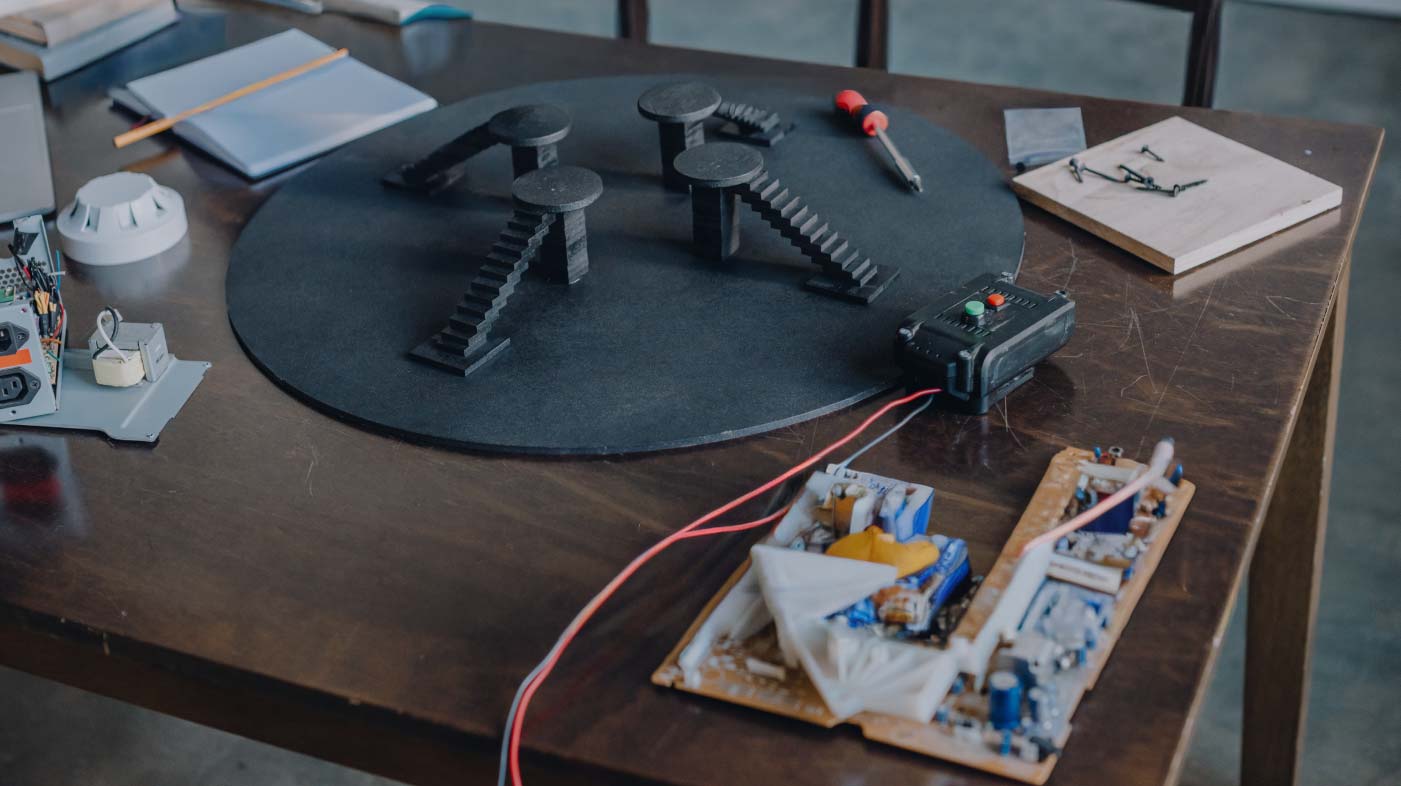
Digital prototyping facilities, including 3D printers, laser cutters, and ESD workstations, support precision-driven development, electronic integration, and iterative refinement aligned with industry practices.
Collaborations
Positioned as a catalyst for industry–academia collaboration, the Design Lab facilitates applied research and real-world engagement within an academic context. The Lab operates within a well-established network spanning industry, academia, and innovation-led organizations. Access to mentors, domain experts, and practitioners across disciplines enriches learning and development, while active participation in global forums and alumni engagement strengthens long-term collaboration.
Industry
Partnerships with design studios, manufacturing units, and technology firms enable applied learning and real-world engagement.
Academia
Academic collaborations with national and international institutions support joint studios, interdisciplinary research, and global exchange.
Innovation-led
organizations
Strong linkages with startups, incubators, and innovation hubs further enable idea validation and entrepreneurial pathways.
Community
Community partnerships with schools and social organizations reinforce the Lab's commitment to outreach, inclusion, and impact-driven innovation.
Student Work
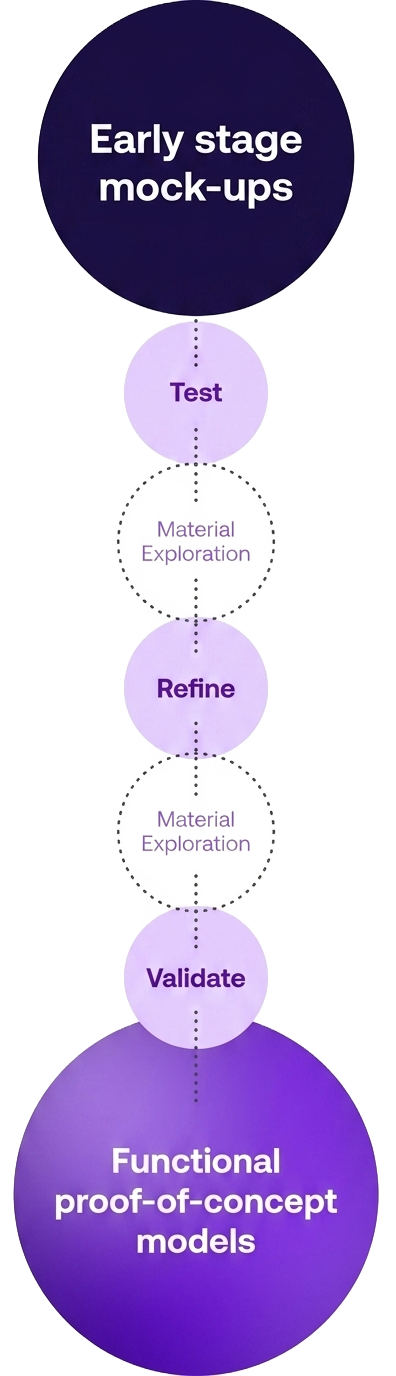
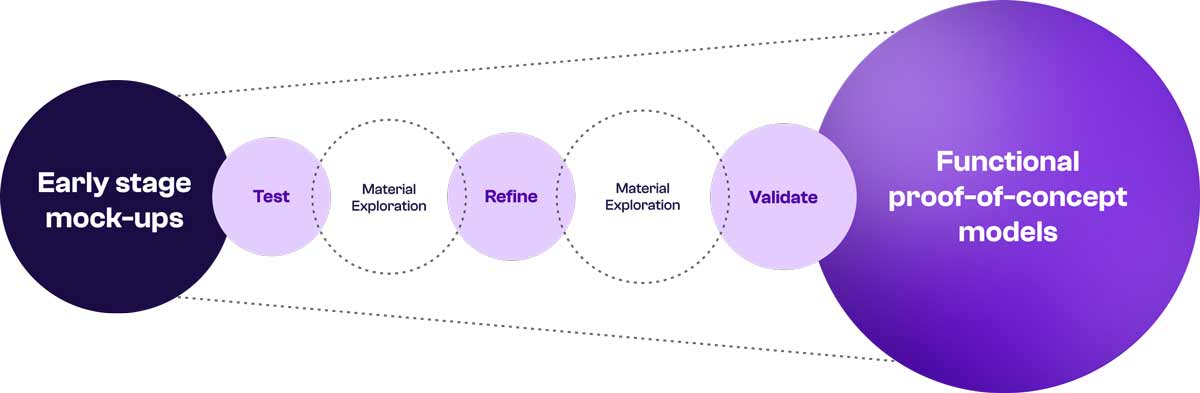
Academic courses conducted within the Lab integrate making and tinkering as essential learning methods, enabling students to translate theory into hands-on exploration and iterative development. The space supports brainstorming, concept development, and sustained faculty–student engagement through collaborative discussions and guided mentorship. These interactions strengthen the link between conceptual rigor and practical execution. Prototyping activities span early-stage mock-ups to functional proof-of-concept models, allowing ideas to be tested, refined, and validated through material exploration.
View All
Visiting designer lecture by Yin Zhu
Using simple tokens and a dynamic digital hourglass, it transforms value into something visual and exciting. It helps kids understand how their savings grow over time and introduces compounding in a playful, intuitive way—making money feel accessible and meaningful from a young age.
Analise Pereira, Hitanshi Jain, Kaushal Gajipara, Melwin Shaji, Pavithrasri Chandran, Tanvee Goenka,Learn More

