


FLAME’s Philosophy of Design Education
At FLAME, design begins with understanding people and the world around us. Our philosophy encourages students to question assumptions, explore diverse disciplines, and make with intention. Through reflection, research, and hands-on experimentation, you learn to create design that is thoughtful, responsible, and rooted in real human experiences.
Where Ideas come alive –
inside and outside the classroom
Pi Shaped Approach
The Bachelor of Design program at FLAME is meticulously crafted to cultivate your creative potential while nurturing a holistic perspective that broadens the horizons of design. Our curriculum provides students with the essential tools and knowledge required to excel in the dynamic world of design.
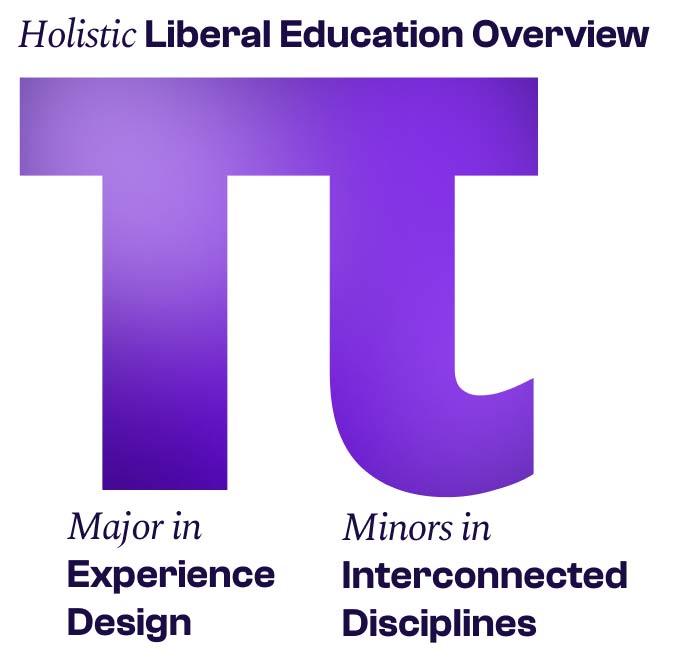




Major in
Experience Design
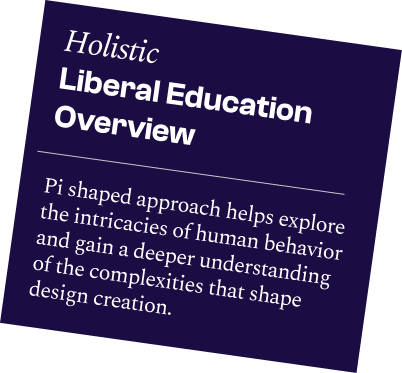
Holistic Liberal Education
Overview
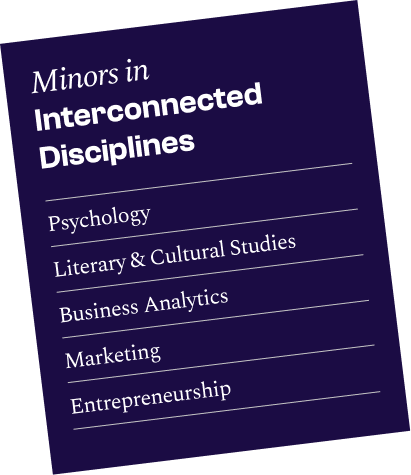
Minors in Interconnected
Disciplines
| Psychology |
| Literary & Cultural Studies |
| Business Analytics |
| Marketing |
| Entrepreneurship |
Core Principles
FLAME School of Design, Art & Performance believes that the field of design is no longer just about making; it is about having a systemic view of the world and approaching opportunities and modern world needs through creative and comprehensive resolution. Thus, leveraging FLAME's liberal education approach, the School of Design, Art, and Performance strives to provide students with relevant and new-generation competencies that will help them approach their work as designers holistically.
Experience-Centered Learning
You’ll learn design by making, testing, and iterating — guided by real problems, real tools, and real impact. You’ll learn design by making, testing, and iterating — guided by real problems, real tools, and real impact.
Interdisciplinary Foundation
By weaving together humanities, business, and technology, the structure ensures you see design through multiple lenses. By weaving together humanities, business, and technology, the structure ensures you see design through multiple lenses.
Reflective Practice
Projects and courses are designed for reflection as much as making — so every idea you generate is grounded in insight. Projects and courses are designed for reflection as much as making — so every idea you generate is grounded in insight.
Program Elements
FLAME School of Design, Art & Performance believes that the field of design is no longer just about making; it is about having a systemic view of the world and approaching opportunities and modern world needs through creative and comprehensive resolution. Thus, leveraging FLAME's liberal education approach, the School of Design, Art, and Performance strives to provide students with relevant and new-generation competencies that will help them approach their work as designers holistically.
Foundation Courses
Build your core abilities in design thinking, communication, critical reasoning, and collaboration. These courses open doors to multiple perspectives and help you explore before you specialize.
Specialization (Major)
The Experience Design major focuses on human-centred approaches, blending behavioural insight with practical design skills. You’ll also be able to explore minor options such as Psychology, Entrepreneurship, Business Analytics, Marketing, or Literary & Cultural Studies.
Experiential Learning
Experience design doesn’t stay in theory. Through studio projects and real challenges, you’ll work with peers, mentors, and communities to bring design concepts into the world and reflect on their impact.
Open Electives
Explore interests outside your major — from arts and media to technology and social sciences — broadening the context of your design thinking.
Value-Added Courses
These are built to strengthen employability and life skills, including teamwork, career planning, technology in society, and personal well-being.
Professional Practices
Throughout all four years, you’ll engage with masterclasses, workshops, and industry sessions that deepen your awareness of current trends, tools, and methodologies in design.

